
18 November 2026 · 4 min
Knowledge Graphs vs. Keywords: The Technical Shift to Answer Engine Optimisation
For over a decade, digital marketing success was measured by keyword density, backlink profiles and organic page rankings. With the mainstream adoption of generative AI search, that measure is no longer enough.
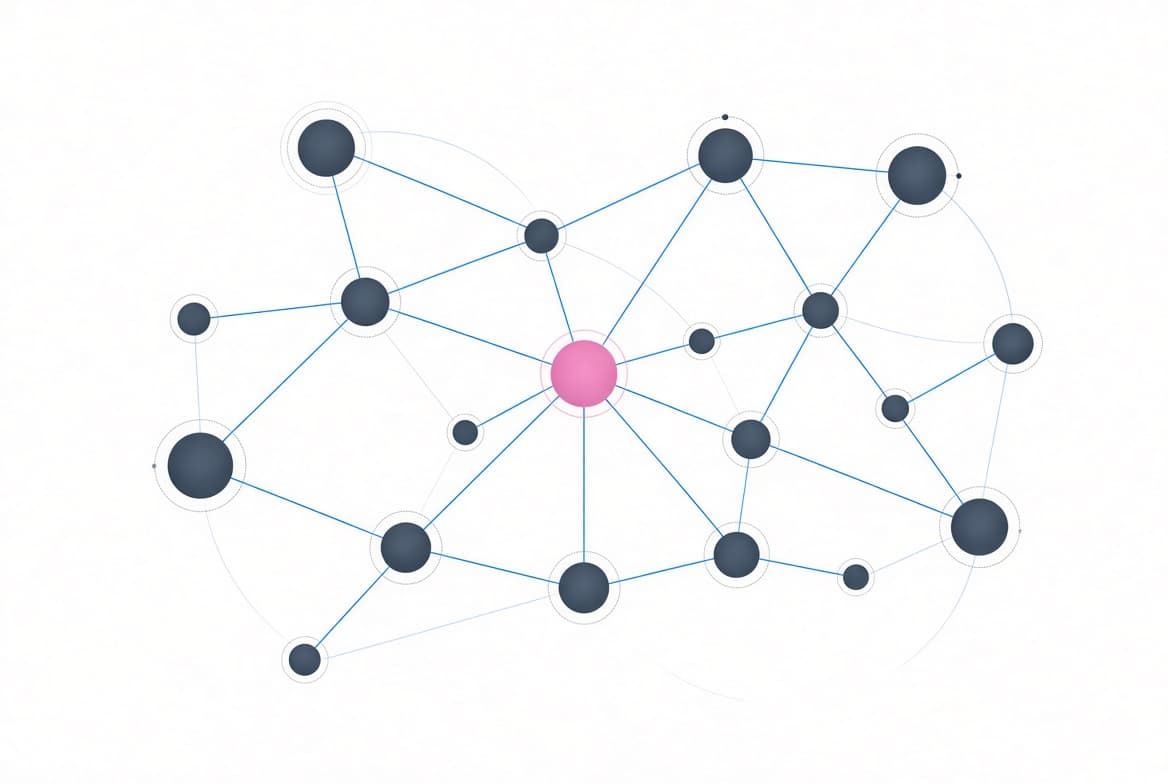
Transitioning to Answer Engine Optimisation is not only a marketing task. It is a data engineering requirement. AI platforms do not read keywords the way legacy search engines did. They map entities, relationships and context. To feed these systems, enterprises need a knowledge graph.
A knowledge graph uses structured data, clear entity relationships and semantic HTML to tell a model exactly who a company is, what it does, and how its products relate to specific industry problems. It turns a static website into a structured source ready for retrieval-augmented generation.
If the current infrastructure still relies on legacy SEO tactics alone, it is being optimised for a version of the internet that is fading. Winning in the era of generative AI means replacing keyword stuffing with structured data that answer engines can trust and retrieve.